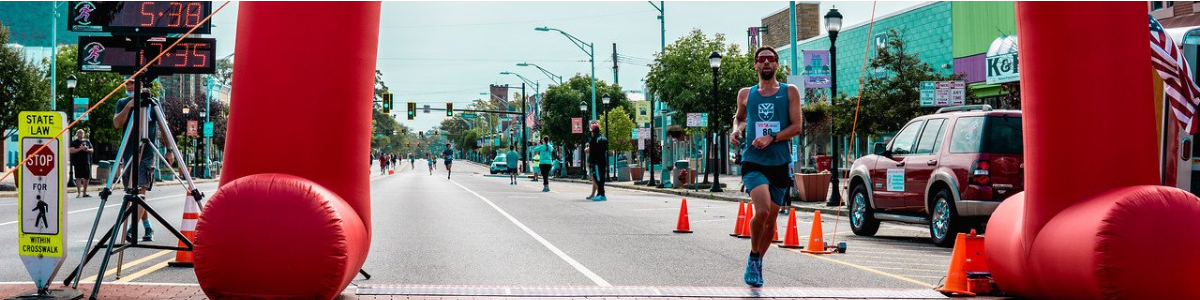
If you’re new to athletics, there’s a chance you’ll come down with a case of shin splints. Here are the warning signs and what to do if you get them.
If you are any kind of athlete, you’ve heard of shin splints. And more than likely, if you’ve ever played a high school sport then you know someone (maybe even you), who’s dealt with shin splints.
They are definitely painful and absolutely memorable – for all the wrong reasons. Shin splints are absolutely treatable and definitely preventable, but you have to know the warning signs and be willing to put in some prehab and rehab work so you can get rid of the pain and keep it away!
Shin splints have to be one of the most common injuries that new runners face. In my experience as a runner, I get shin splints when my shoes no longer support me: at the end of their life cycle, when they’ve been used for more than 350-400 miles. Once I start getting sore shins, I check out my training log and can tell that it’s time to replace my shoes. Besides my shoes as my warning signs, I know I can get shin splints when I rapidly ramp up my mileage or the frequency and mileage that I run.

Can you run through shin splints? Sure – it’s painful and uncomfortable, but you aren’t doing any short-term, immediate damage to your shins. You should absolutely be looking to correct the issue because if you don’t and you continue to run when you have shin splints, it can lead to stress reactions or stress fractures. You would need to continually run when you’re in a lot of pain before it becomes a reaction or fracture, but that’s the path you’d be heading down.
What are Shin Splints?
According to the Mayo Clinic, shin splints are a pain in the tibia, the shin bone. That’s great to know, but there are a few reasons why we might have sore shins.
Typically, you’ll feel shin splints right above your ankle bone and can be anywhere on the side or back of your shin from your ankle joint all the way up the inside of your shin.
How Do I know if I have Shin Splints?
You’ll know right away if you have shin splints. It feels like your shins are on fire and the only thing that stops the pain is not running. It’s nagging at first, but then it’s constant. The pain will be dull at first, then constant, then unbearable. The more you run, the more the pain will be there and the longer it will stick around. Even after you finish your run, the pain will still be there.
- You’re in the wrong type of shoe. If you over-pronate and you’re wearing neutral shoes, you’ll find that rotation in your shin bone during each stride. Excess rotation can cause extra stress and put pressure and pain on that shin bone.
- If you’ve recently upped your mileage – like from zero running to lots of running – you’re likely to see shin splints.
- If you’ve recently upped your frequency of runs per week – like from 0-1 to 5-6 – you’re likely to see shin splints.
- If you have a muscle imbalance somewhere. This could be, for example, one calf that is working harder than the other, or an entire muscle group not working at all (ie: the glute). When a muscle isn’t working as it is supposed to, other muscles take over the work. They get tired, as you would suspect, and this overworking causes the surrounding areas to break down.
I wrote posts on the shoe-buying process and you can read them here:


When Do Shin Splints Show Up?
Shin splints are a common injury that most new runners come down with. In my experience, shin splints usually flair up when your mileage increases suddenly and you are not properly prepared to handle the mileage. This will happen to beginner runners just coming into the sport or for runners who decide to make a big increase in their weekly mileage without proper recovery. It’s more common in beginner runners, but even recently, as I significantly increased the frequency of my runs – hello February Running Challenge – I quickly saw my shins weren’t ready for the increased amount of times I was running. Only after time off did I see my shin pain go away.
How to Fix Shin Splints?
One of the best things I can suggest you do is get running shoes that are fitted for you. Do this at your local running store. Shoes play a big part in why you get shins splints. If you’re in the wrong type of shoe, your foot is free to (or prevented from) moving in a natural position. Because of this, your shin takes the brunt of the force and this is where the pain comes from.
- Get new shoes (from a specialty running store)
- Activate your key muscle groups, including your glutes.
- Warm up your body (lower legs) before you go for a run.
- Focus on strengthening your calves and surrounding muscles.
- Take time off to allow the shins to recover.
- Switch to cross training to maintain fitness, but minimize the pounding from running.
- Get a gait analysis done for your running form.
- Ice massage your shins after your run
- Wear a calf sleeve to keep your shin and calf muscles warm.
- Do ankle exercises with a theraband as prehab and rehab.
- Use a foam roller before you run – not just your calves, but your glutes, IT band, Achilles, etc. After that, do a dynamic ankle mobility warm-up.
- Run on various surfaces – tracks, trails, grass – to alleviate some of the poundings from asphalt.
- Rotate your shoes. I personally rotate between two pairs of Brooks Launch for everyday running and a pair of Brooks Revels for workout days.
- Go to a physical therapist to get PT. It may also help to find someone who can do soft tissue massage on all major muscle groups.
- If you can’t go to PT, self-massage and foam roll after every run. Use a tennis ball, lacrosse ball, and foam roller. Use a wooden rod/dowel rod on your calves.
- Work on your glutes. Loosen them (using massage techniques) and then strengthen them.
- Purchase custom orthotics from a running-specific ortho doctor. *Price and availability are a big factor here.


Want my weekly running newsletter?
- Mental Prep Work For Your Next Race
- Has to Be a Top 4 Race Weekend For Me
- Do some running on your race course so you have an advantage against your competition
Looking for running resources?
Find me on social media!
Searching for a running coach? TrainwithMarc has flexible schedules, dynamic plans, and access to a coach who’s worked with every type of runner.
TrainwithMarc will design a training plan based on your needs, running history, and your goals.



TrainwithMarc’s Social Media links ⬇️
Website: trainwithmarc.com
Instagram: @TrainwithMarc.run
Threads: @TrainwithMarc.run
Facebook: @TrainWithMarc
TikTok: @Run_Coach_Marc
Twitter: @marcpelerin
Summary
Shin splints aren’t fun. They are painful and typically show up when a runner ramps up their mileage. As quickly as they seem to come on, they can also be taken care of: icing, resting, and strengthening seem to be the best remedy for shin splints. Make sure you’re in the correct shoe for your foot’s needs and the sooner you can adjust the better off you’ll be at getting rid of your shin pain.
Want my weekly running newsletter?
- Mental Prep Work For Your Next Race
- Has to Be a Top 4 Race Weekend For Me
- Do some running on your race course so you have an advantage against your competition
Looking for running resources?
Find me on social media!
Searching for a running coach? TrainwithMarc has flexible schedules, dynamic plans, and access to a coach who’s worked with every type of runner.
TrainwithMarc will design a training plan based on your needs, running history, and your goals.
TrainwithMarc’s Social Media links ⬇️
Website: trainwithmarc.com
Instagram: @TrainwithMarc.run
Threads: @TrainwithMarc.run
Facebook: @TrainWithMarc
TikTok: @Run_Coach_Marc
Twitter: @marcpelerin
Discover more from TrainwithMarc
Subscribe to get the latest posts sent to your email.

 TrainwithMarc
You must be logged in to post a comment.